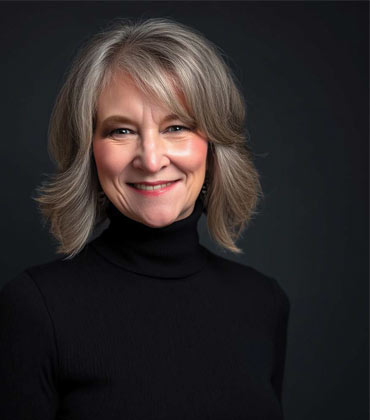
My experience in senior housing has shaped my approach by continually bringing me back to one central truth: People come first! A person centered approach is not just philosophy, but a daily practice of recognizing that every resident has a unique story, a set of preferences, and life experiences that deserve to be respected and celebrated. This relationship centered mindset has deepened my appreciation for the richness residents bring to a community. There is so much wisdom, history, and perspective within each person, and we intentionally create space to listen and learn, thereby strengthening not only individual connections but the fabric of the entire community. Finding joy in these relationships through conversations, shared experiences, and simple moments shifts the focus from completing tasks to fostering connection. It reinforces that our role is not just about providing care, but walking alongside residents and families. Additionally, strong operations fosters the experiences with consistency in staffing, clear expectations, and well supported teams allow eveyone to build deeper connections.
Affordability, Acuity and a More Person Centered Model
Senior Living communities today operate in a delicate balance between delivering high-quality clinical care, maintaining operational efficiency, and preserving a meaningful quality of life for residents - and one of the most pressing challenges within that balance is affordability. As costs for labor, healthcare services, insurance, and regulatory compliance continue to rise, these increases are often passed on to residents and their families, creating significant financial strain. Many families are already navigating difficult financial decisions, and higher monthly rates can limit access to care or force compromises in the level or type of services they can afford. This reality places pressure on communities to justify costs while still investing in staffing, training, and resources that ensure safe, high-quality care. At the same time, staffing shortages and increasing resident acuity require more intensive clinical support, which further drives up operational expenses. The challenge, then, is not only sustaining operations but doing so in a way that remains accessible and equitable - ensuring that residents receive compassionate, individualized care without pricing them out of the very environments designed to support them.
Technical skills can be taught, but empathy, patience, and integrity must be present and continuously reinforced through culture and leadership example.
Despite those pressures, the direction of senior housing is clear and encouraging. The model is evolving toward one that is more deeply person-centered, where quality of life is defined not just by care delivery but by how individuals continue to experience purpose, connection, and joy. A critical component of this evolution is the intentional expansion of Life Enrichment programming as a core-not secondary - pillar of care. Today’s residents and their families expect more than safety and basic support; they are seeking environments where individuality is honored, preferences are respected, and daily life feels meaningful and purposeful. This requires communities to move beyond standardized activity calendars and instead design experiences that reflect residents’ histories, interests, and abilities. Life Enrichment teams are becoming essential drivers of engagement, helping to reduce isolation, support cognitive and emotional well-being, and foster a true sense of belonging. As care needs become more comple, integrating Life Enrichment with clinical care will be increasingly important - ensuring that even those with advanced cognitive or physical challenges have opportunities for connection and fulfillment. In my opinion, this model is where success is measursed not only in clinical outcomes, but in moments of joy, autonomy, and dignity, redefining what it means to age well within a supportive community.
Leading with Purpose and Developing with Intention
Building compassionate teams without compromising operational standards comes down to three things—clarity, consistency, and respect for both people and process. Every principle I lead by flows from that foundation. First, I believe in leading with purpose - ensurng every team member understands that their work directly impacts the dignity, safety, and quality of life of the residents we serve. That shared purpose becomes the foundation for accountability and pride in performance. Second, I prioritize hiring and developing for both competence and compassion; technical skills can be taught, but empathy, patience, and integrity must be present and continuously reinforced through culture and leadership example. Third, consistency is critical - clear expectations, standardized processes, and transparent communication create stability, which allows teams to perform confidently and reduces unnecessary stress. At the same time, I believe in being present and approachable as a leader, actively listening to frontline staff and valuing their insights, as they are closest to the resident experience. Another key principle is balancing accountability with support - setting high standards while also providing the training, tools, and coaching necessary for staff to meet them. Recognition and trust are equally important; when team members feel seen and valued, engagement and retention naturally improve.
For professionals looking to build meaningful careers in this field, my advice is to stay grounded in the human side of the work while developing strong business and operational acumen. Spend time on the floor, learn directly from residents and caregivers, and never lose sight of the lived experiences behind the metrics. At the same time, seek to understand finance, regulatory requirements, and performance management because sustainable impact requires operational strength. Be adaptable, as this field is evolving quickly. Those who embrace change, innovation, and interdisciplinary collaboration will be best positioned to lead. They should find mentors who challenge and support them, and be willing to take on roles that stretch perspectives. Most importantly, approach the work with humility and purpose.