

Thank you for Subscribing to Eldercare Review Weekly Brief

The Woodlands, Furman
Desiree Reid, Director of Nursing,The Woodlands
Leading with Compassion in Elder Care
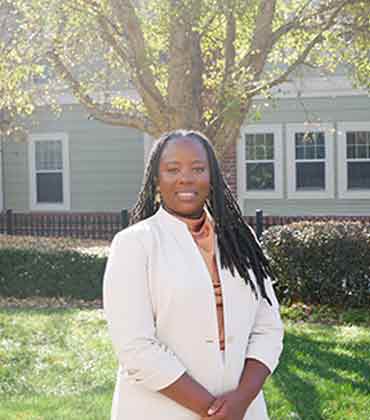
Desiree Reid
Leading Elder Care with Compassion and Purpose
Servant leadership, clinical excellence and person-centered care are the leadership principles that have most influenced my approach to elder care and patient support. Having progressed within this organization from a staff nurse to Director of Nursing, I understand the importance of meeting both residents and team members where they are and providing the support they need to succeed. I believe effective leadership begins with listening, empathy and leading by example. Person-centered care remains at the heart of everything we do, ensuring that each resident is treated with dignity, respect and compassion. This is particularly important when caring for individuals living with dementia or depression, where understanding their unique experiences and needs can significantly improve their quality of life and overall well-being. Navigating Today's Long-Term Care Challenges Nursing leaders in long-term and senior care environments face several significant challenges today. Staffing shortages and employee burnout continue to be among the most pressing concerns, making it difficult to maintain consistent, high-quality care while supporting team well-being. At the same time, residents are presenting with increasingly complex medical and behavioral health needs, requiring higher levels of clinical expertise and coordination. Fall prevention and resident safety remain constant priorities, demanding proactive assessment, education and intervention strategies. Additionally, nursing leaders must navigate an evolving regulatory landscape, ensuring compliance with state and federal requirements while maintaining operational efficiency. Balancing these responsibilities while fostering a positive culture for both residents and staff requires strong leadership, adaptability and a commitment to continuous improvement. Building Resilient and Compassionate Care Teams Fostering compassion, teamwork and resilience begins with creating a supportive and respectful work environment where every team member feels valued and heard. I encourage open communication and maintain an approachable leadership style so staff can share concerns, ideas and challenges without hesitation. Recognition and appreciation are also important, as acknowledging individual and team contributions helps boost morale and reinforces a culture of excellence. I strongly support continuing education and professional development opportunities, enabling staff to expand their skills and confidence. Mentorship plays a key role in helping nurses navigate challenges and grow in their careers. Equally important is ensuring realistic workloads and promoting a healthy work-life balance, which helps reduce burnout, strengthen resilience and enable staff to provide compassionate, high-quality care to residents every day.Person-centered care remains at the heart of everything we do, ensuring that each resident is treated with dignity, respect and compassion.
The articles from these contributors are based on their personal expertise and viewpoints, and do not necessarily reflect the opinions of their employers or affiliated organizations.
