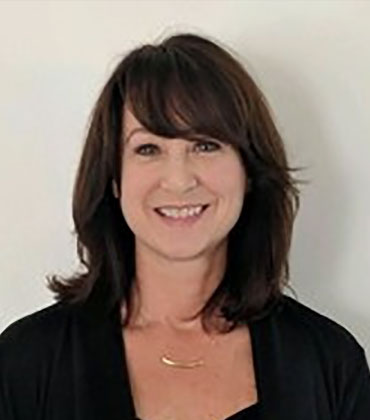
Sheila Baublitz is the Vice President of Nursing and Operations at Tower Health at Home, leading clinical and operational functions. Based in Pennsylvania, she focuses on delivering patient-centered care, improving healthcare services and overseeing nursing practices within the organization.
Shaping Leadership through Clinical Passion and Operational Insight
I always wanted to be a nurse and watching the care my grandmother received as she recovered from a stroke solidified my desire to bring a similar level of care to others. I received my bachelor’s degree in nursing from York College in Pennsylvania. I discovered that I had an affinity for operational improvement and performance excellence, so I continued my studies at York College, earning a degree in Business Administration and Management. In over 30 years of leading home care organizations, I have seen that focusing on value-added processes to give staff more time to spend caring for patients and families leads to satisfaction for them and for me.
Addressing Workforce Challenges in Home-Based Care Delivery
The key to quality home health or hospice care is a strong staff. Our main challenge is recruiting and keeping skilled, dedicated caregivers. Each year, finding these professionals becomes harder as shortages of nurses and other healthcare workers intensify. Rising salary costs are outpacing reimbursement, straining finances and pushing not-for-profit providers to close.
Fortunately, not everyone is driven solely by pay, especially in this field. As Tower Health at Home’s top administrator, my goal is to create a workplace where nurses, therapists, aides, social workers and support staff feel valued. When staffs feel appreciated, they're better equipped to meet patients' and families' needs.
Focusing on value-added processes to give staff more time to spend caring for patients and families leads to satisfaction for them and for me.
We recognize staff excellence in many ways. We encourage managers to thank staff daily, both one-to-one and in groups such as staff meetings. We participate in recognition programs like the Daisy Awards, honoring nurses for extraordinary care, and have a similar program to honor our therapists, aides and social workers. We acknowledge group accomplishments, such as successful surveys, with team events and institutional announcements.
One measure of success is through a nationally benchmarked employee engagement survey. Results of our most recent survey showed that in 2025, THAH received an employee engagement score of 4.27 out of 5 (5 being most engaged), outperforming the national score of 3.97 and Tower Health system score of 3.9.
Balancing Clinical Excellence with Operational Efficiency
Balancing clinical excellence with operational efficiency was a major reason Tower Health at Home was formed in 2019. At that time, when Affilia Home Health, a multi-system organization, dissolved, Tower Health’s portion joined with the Berks County Visiting Nurse Association to create Tower Health at Home. Our affiliation with the Tower Health Network allowed our home health and hospice organization to share back-office functions, such as human resources, employee benefits, liability insurance, accounting, coding and billing, with the health system. As a result, our costs were significantly lowered, enabling us to shift precious resources to direct patient care.
Also, in recent years, we've upgraded our electronic medical record to Epic’s Dorothy system for home health and Comfort for hospice, enhancing patient safety, and care quality and staff satisfaction. This boost in documentation, compliance, coding and billing efficiency reduces manual entry and gives staff quick access to patient data.
Emerging Trends Reshaping Home Healthcare
Rapid technology and medical advancements are reshaping home care. Telehealth and in-home monitoring allow ongoing patient observation. Advances in medications require a sophisticated understanding of how to administer these drugs in the home setting and monitor their effectiveness and side effects. To control costs, hospitals discharge patients sooner, thereby increasing the complexity of care at home. Meanwhile, value-based models shift payments to quality and outcomes, driving shorter stays and better outcomes, but also requiring more involved record keeping.
Guidance for Aspiring Healthcare Leaders
Home health and hospice leadership is not for the faint of heart. You must be willing to accept responsibility for the care of seriously ill individuals and their families, as well as for the livelihoods and well-being of the employees who care for and support them. This means plenty of stressful situations and long hours. But the personal and professional rewards are worth it because you are genuinely making a difference in others' lives. Those who rise to this challenge have the opportunity to inspire others, shape the future of care and leave a legacy of compassion in healthcare.