

Thank you for Subscribing to Eldercare Review Weekly Brief

The Goodman Group, LLC
Candace Renken, RN, Director of Nursing, The Goodman Group
Leading Quality Care in a Changing Senior Living Environment
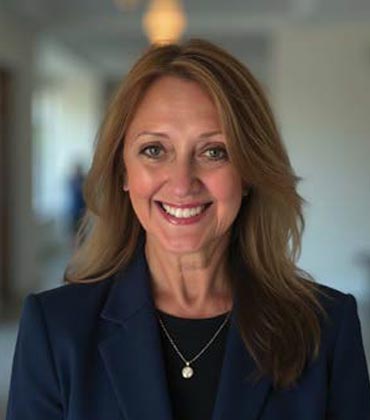
Candace Renken
Leading through Crisis and Change
My approach to leadership has been shaped by years of direct resident care, clinical operations management and mentoring healthcare professionals. The experience of working in healthcare during the pandemic in 2020, and specifically in senior living, significantly impacted clinical leadership and support. Working through periods of major staffing challenges reinforced the importance of visibility, communication and supporting frontline staff. I have learned that successful teams are built on trust, accountability and a shared commitment to resident-centered care. Some of my most valuable experiences have come from guiding teams through change, improving clinical outcomes and helping staff grow professionally while maintaining high standards of care. Evolving Role of Nursing Leadership The role of nursing leadership has evolved significantly in the post-pandemic healthcare environment. Leaders are navigating ongoing workforce shortages while caring for increasingly complex resident populations. In assisted living, residents are aging in place longer and often have higher clinical acuity than in previous years. As a result, nursing leaders must balance clinical oversight, workforce development, regulatory compliance, quality outcomes and resident satisfaction. Today’s nurse leaders are expected to be strategic thinkers who can adapt quickly, leverage technology and create cultures that support both exceptional resident care and staff retention. Balancing Quality Patient Care with Operational Demands Quality care and operational efficiency are not competing priorities—they are interconnected. In assisted living, I believe staffing should be driven by resident acuity and service needs rather than fixed staffing ratios alone. Through ongoing assessment of resident needs, careful resource allocation and proactive workforce planning, we can provide safe, effective care while managing operational demands responsibly. Consistent monitoring of clinical indicators, resident outcomes and staffing metrics allows us to make informed decisions that support both quality care and organizational sustainability. Challenges and Opportunities in Senior Living One of the greatest challenges facing senior care is meeting the expectations of a new generation of older adults while managing workforce shortages and increasing clinical complexity. Today’s residents are seeking more than healthcare services; they are looking for lifestyle-focused communities that offer wellness programs, elevated dining experiences, technology integration and personalized services. At the same time, there are tremendous opportunities for innovation. Advances in artificial intelligence, remote monitoring, predictive analytics and fallprevention technologies are helping providers improve safety, enhance resident outcomes and support more proactive care models. Organizations that successfully combine compassionate, person-centered care with technological innovation will be best positioned to meet the evolving needs of future residents. Advice for Aspiring Nursing Leaders Focus first on becoming an exceptional clinician, then continuously develop your leadership skills. Effective nursing leaders must understand both the clinical and business aspects of healthcare. Seek opportunities to lead projects, mentor others and gain experience in operations, quality improvement, budgeting and regulatory compliance. Most importantly, remain approachable and committed to serving both residents and staff. The most successful leaders create environments where people feel valued, supported and empowered to provide outstanding care. Healthcare will continue to evolve, but strong leadership, adaptability and a commitment to lifelong learning will always be essential for success.The articles from these contributors are based on their personal expertise and viewpoints, and do not necessarily reflect the opinions of their employers or affiliated organizations.
