

Thank you for Subscribing to Eldercare Review Weekly Brief

Pleasant View Communities
Christie Leviste Magsino, BSN, RN Director of Nursing Services
Leading Elder Care with Kindness and Empathy
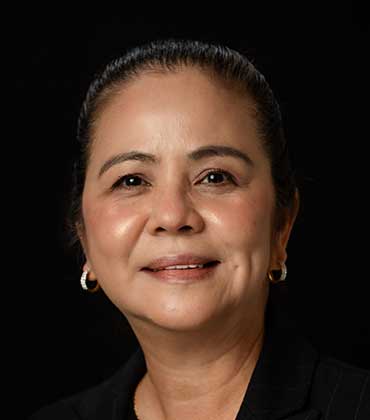
Christie Leviste Magsino
Christie Leviste Magsino is Director of Nursing Services at Pleasant View Communities, bringing more than 30 years of experience across long-term care, skilled nursing and dementia care.
Key Lessons Shaping My Approach to Nursing Leadership With more than 30 years of experience in healthcare across long-term care, skilled nursing and dementia care, my approach to nursing leadership has been shaped by one consistent lesson: care is only as strong as the relationships behind it. Clinical excellence is essential, but it is the trust between caregivers, residents and families that ultimately defines quality of life. Over the years, I have learned that strong leadership is not about authority; it is about presence, accountability and the ability to create an environment where staff feel supported, and residents feel genuinely valued. Aging in Place One of the most meaningful areas of my work has been supporting aging in place. At its core, aging in place is about honoring choice, independence and dignity. The most important factors in making this possible include early identification of changing needs, proactive care planning and strong interdisciplinary collaboration. Equally important is communication, ensuring that residents and families are informed, involved and heard throughout the care journey. When care is individualized and responsive, older adults are more likely to maintain both their independence and their sense of purpose. Aging in place is not just a model of care; I believe that it is a commitment to meeting people where they are, both physically, emotionally and psychologically. Evolving Role of Nursing Leadership Today’s nursing leaders are not only responsible for clinical oversight but also for navigating increasingly complex care environments. This includes managing higher acuity levels in long-term care settings, addressing cognitive and behavioral health needs and supporting families who are more engaged and informed than ever before. Leadership now requires a balance of clinical expertise, emotional intelligence, and operational awareness. It also requires adaptability and being able to respond quickly to challenges while maintaining a consistent standard of compassionate care. Kindness and Fostering a Culture of Compassion Kindness is more than a value in my leadership philosophy; it is a deliberate practice. Throughout my career, I have become increasingly passionate about cultivating a Culture of Kindness, not only toward residents and families but also toward the caregivers who serve them every day. Kindness remains at the center of how I approach leadership. I am intentionally cultivating a culture of kindness within my teams, where respect, empathy, and dignity guide every interaction. One concept I strongly advocate for is what I call “Take a Pause.” In today's healthcare environment, we are constantly moving from one task, one crisis and one decision to the next. In those moments, taking a pause is not about slowing down productivity; it is about creating space to be intentional. A pause allows us to listen more carefully, communicate more effectively, and respond with empathy rather than react under pressure. Equally important, taking a pause means extending kindness to ourselves. Healthcare professionals often place the needs of others ahead of their own, which can lead to exhaustion, compassion fatigue and burnout. I believe that self-kindness and work-life balance are essential components of exceptional care. When caregivers are given permission to pause, reflect, recharge and care for their own well-being, they become more present, compassionate and effective in caring for others. My vision for the future of elder care is one where kindness is viewed as a measurable leadership strategy rather than a soft skill. Organizations that intentionally cultivate kindness, support employee well-being and encourage moments of reflection will not only improve staff retention and engagement but will also enhance the resident and family experience. Taking a pause creates opportunities for connection, understanding and better decision-making. It strengthens relationships, builds trust and reinforces the dignity that every older adult deserves. Trends, Changes and Advice for Upcoming Healthcare Leaders Looking ahead, several trends will significantly shape the future of senior care. The continued growth of aging in place, where we will require stronger community-based services and better integration between home care, assisted living and skilled nursing and other healthcare entities, are some of them. Technology will also play a larger role, particularly in areas such as remote monitoring, fall prevention and care coordination. At the same time, the emotional and social needs of older adults will remain just as important as their clinical needs. The future of senior care will depend on our ability to balance innovation with humanity. For healthcare professionals entering this field, my advice is simple: never lose sight of why you chose this work. Technical skills and clinical knowledge are important, but empathy, patience and integrity are what sustain a long and meaningful career in healthcare. Taking time to pause, reflect and care for yourself is just as important as caring for others. Leadership in elder care is not defined by titles; it is defined by how we show up for the people who depend on us. In addition, if there is one message I hope to leave with healthcare leaders, it is this—kindness begins with how we treat ourselves and extends to everyone around us. By embracing a “Culture of Kindness” and giving ourselves permission to “Take a Pause”, we can create healthier teams, stronger communities and a more compassionate future for aging services.The articles from these contributors are based on their personal expertise and viewpoints, and do not necessarily reflect the opinions of their employers or affiliated organizations.
