

Thank you for Subscribing to Eldercare Review Weekly Brief

Waterman Village Retirement Community in Mount Dora, Florida
Ingrid Piedrahita, Executive Director of Assisted Living Services, Waterman Village Retirement Community in Mount Dora
Creating Spaces People Call Home
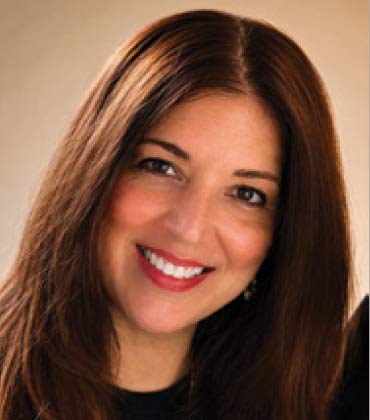
Ingrid Piedrahita
I was initially inspired to pursue a leadership role in assisted living as I wanted to create a broader impact within the company by being an influence to shape the organizations culture, improve daily processes while steering the company’s vision as well as empowering the teams, solving complex challenges and fostering a positive high performing environment within the assisted living community and Waterman Village as a whole.
Over time, this journey has deeply shaped my leadership philosophy. It has evolved into a highly collaborative, empathetic, and adaptable approach vs commanding and controlling. This growth has required me to embrace a new mindset by shaping the environment while being adaptable and encouraging profound team engagement rather than just reacting to it. Empathy as the Foundation of Care To me, the most important qualities for creating a supportive and compassionate environment for senior residents are empathy and patience. Understanding each resident’s emotional journey lays the foundation for genuine, person-centered care. Respectful communication is equally essential. Active listening, confidentiality, emotional intelligence, and a commitment to preserving dignity and autonomy allow residents to maintain their independence and make informed choices about their own lives. Cultural competence is another critical element, enabling meaningful interactions with people from diverse backgrounds, beliefs, and life experiences. No two days in senior living are the same. Flexibility, adaptability, and attention to detail make it possible to respond effectively to changing circumstances while ensuring residents continue to feel safe, valued, and empowered. Over time, I have intentionally shifted from a task-driven management style to a relationship-centered approach. This has helped me build meaningful connections with residents, families, and staff. I maintain an open-door policy and encourage collaboration by empowering department leaders to participate in decision-making. Alongside structured monthly meetings, informal conversations with team members create opportunities for support, trust, and open communication. Prioritizing responsibilities and delegating strategically within my leadership team has further strengthened day-to-day operations. Resident and family engagement is equally important. Monthly resident meetings, quarterly family meetings, monthly newsletters, suggestion boxes, and annual surveys ensure they remain informed about community initiatives while providing valuable opportunities to share ideas, feedback, and evolving needs. Actively participating in community events and activities also enables me to build authentic relationships with residents, families, and staff, reinforcing a culture where everyone feels heard, respected, and connected. Preparing Senior Living for the Next Generation of Care Senior living has shifted from institutional models to a residentcentered, hospitality-inspired environment. Today, the focus extends beyond care to preventive wellness, with personalized nutrition, mental health support, fitness programs, and integrated services that promote long-term wellbeing. AI integration and smart technology have become a fundamental part of senior living. We now have AI-powered sensors to monitor health, track vitals, prevent falls, and anticipate residents’ needs while digital platforms streamline resident information and care management. Telehealth expands access to medical consultations, and memory care communities are incorporating multisensory experiences, digital cognitive games, and interactive technologies to enhance engagement. New senior living communities no longer have a clinical layout; the new layouts prioritize safety and comfort, enhancing mood and improving mental health. Lastly, there is an increase in community-based programs fostering a sense of belonging and connection through health fairs, field trips, and activities integrated with participants from outside of the community. These trends and changes are ensuring that facilities offer high-quality care while providing the opportunity for the residents to live their best life as they age in place. For those pursuing a long-term career in elder care leadership, success requires a strong foundation in regulatory compliance, financial management, risk assessment, and human resources. Equally important is cultivating a culture that supports staff retention, as exceptional resident care begins with engaged and valued employees. Active involvement in professional elder care organizations also strengthens leadership capabilities, expands professional networks, and creates opportunities to advocate for the evolving needs of older adults and the future of senior living.The articles from these contributors are based on their personal expertise and viewpoints, and do not necessarily reflect the opinions of their employers or affiliated organizations.
