

Thank you for Subscribing to Eldercare Review Weekly Brief

VCU Health, Home and Continuum Integration
James R. "Jay" Holdren II, Associate Vice President, VCU Health
Building Better Outcomes through Integrated Patient-Centered Care
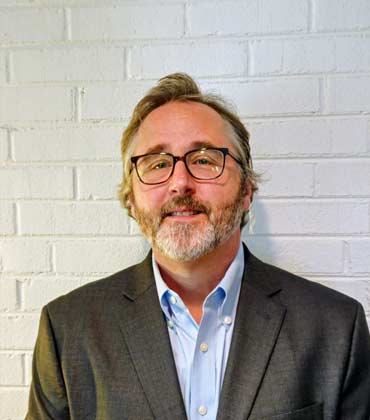
James R. “Jay” Holdren II
From Elder Care to Integrated Healthcare Leadership
Due to deep familial bonds, I had a passion for elder care when I applied to MHA grad school in the 1990s. I started my career as a part-time research assistant during school, studying the Medicare population. Everything starts with data and evidence of outcomes. After two years of didactic coursework, I spent a residency year in PA studying under an executive leader of a senior care service line as part of a health system portfolio, now part of the University of Pennsylvania Health System. In addition to a hospital and clinics, they operated an SNF, ALF, CCRC, meal service and adult day care. That was my first real exposure to an integrated continuum, which was foundational learning for me. From there, I became a licensed nursing home administrator to take on the role of executive director of a CCRC in Virginia for a few years. Working on a large campus where seniors actually live, eat and socialize was an immersive experience to say the least. Wanting to get more involved in clinical care operations, I was fortunate to land a Director role at VCU Health in an established and growing Geriatric Services Program that had doctors and advanced practice providers serving in our academic medical center hospital, geriatric clinic, home-based primary care program and nursing homes. VCU Geriatric Medicine Division Chief Dr. Peter Boling became my boss and mentor, and has taught me so much over more than two decades of collaboration. One key concept was that geriatric care principles are also highly effective for younger adults managing complex or multiple chronic conditions. With a great team around us, we have exponentially grown the service line, expanding the programs above, and adding services including: Hospital at Home, Remote Patient Monitoring, Telehealth Clinic, Hospice, Home Health and Nurse Navigation for at-risk populations. We are now one of the largest and broadest senior services programs in the mid-Atlantic region, with 18 doctors and 24 advanced practice providers. We also manage a comprehensive 30-member post-acute partner network that helps our hospitals coordinate more seamless transitions, reduce readmissions, and lower the total cost of care. Meeting the Growing Demands of Geriatric Care One major challenge is that the demand for geriatricians and trained senior-care providers is far greater than the supply. Unfortunately, few medical schools mandate geriatric rotations. This effectively leaves traditional primary care providers to handle our growing older adult population- quite a challenge. Another issue we face in caring for the aging population is the lack of an interconnected continuum network, where care and communication flow seamlessly. Issues like IT restrictions, payer restrictions and ownership structures often create a series of siloed services that can create fragmented care. The last thing clinicians caring for the complex elderly population need is limited access to essential services and/or financial pressures that compromise clinical quality. I am a systems thinker, advocating and designing holistic, integrated systems of timely care when possible. We focus on addressing root causes in system design rather than simply looking at the staff and patients involved as the ‘problem’ when outcomes are challenged. Building Better Outcomes through Integrated Care Besides convenience and preference, there are real clinical benefits to receiving care at home. Over 1,000 VCU patients have now completed a hospital stay through VCU Hospital at Home. Our outcomes show that not only is it safer than brick-and-mortar care, but patients recover quicker because they sleep better and eat better being at home. Familiar surroundings with loved ones and pets nurture healing, especially without all the noise of a hospital or a roommate in a semi-private room.It is critical to remember that healthcare is a team sport and it is a people business.
The articles from these contributors are based on their personal expertise and viewpoints, and do not necessarily reflect the opinions of their employers or affiliated organizations.
