

Thank you for Subscribing to Eldercare Review Weekly Brief

Ascension
Lisa Musgrave, Senior VP Post Acute & At Home Services
A Call to Reimagine Memory Care: Purpose, Dignity and Continuity in Aging
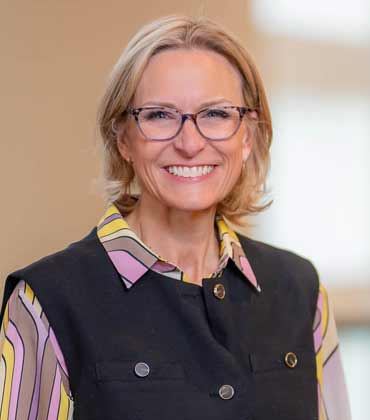
Lisa Musgrave
The senior living industry stands at an inflection point. Demographic trends alone tell us that the demand for care will grow dramatically over the next decade. But statistics only tell part of the story. The deeper truth, the one that should shape how we design, staff and lead our communities, is that aging, even with cognitive decline, does not erase the human need for purpose, connection and dignity.
I see this reality every day through my 85-year-old mother, who is living with moderate Alzheimer’s disease. She now requires more assistance and cueing than she once did. She no longer wants to cook, which was once her specialty, needs reassurance that she’s dressed appropriately, and misses puttering in her yard and weeding. What she needs just as much, perhaps more, is conversation, engagement and meaningful activity. She needs to feel useful, known and valued. Moving her to memory care recently has, unfortunately, confirmed our deepest concerns. Despite good intentions, the environment has left her feeling confined and disoriented. All she wants to do is leave. Too often, our systems are built primarily around decline: what someone can no longer do, what risks must be mitigated, what behaviors must be managed. Safety is critical, of course. But when safety becomes the sole organizing principle, rather than one of several balanced priorities, we unintentionally strip away autonomy, identity and joy. Locked doors, overly restrictive routines and passive programming may reduce certain risks, but they also create new harms: social isolation, loss of agency and emotional disengagement. Memory care does not have to look like this. As an industry, we must move beyond a binary view of independence versus dependence, or assisted living versus memory care, as if cognitive change requires an abrupt and disorienting transition. Instead, we need a true continuum of care, one that lessens disruption, evolves gradually and meets people where they are cognitively, physically and emotionally, without forcing premature or destabilizing moves. That continuum must be active, individualized and purposeful. Active memory care recognizes that movement, engagement and stimulation are not optional enhancements; they are foundational to health and well-being. Individuals living with dementia benefit from walking, helping, sorting, folding, gardening, cooking and participating in the rhythms of daily life. Purpose does not disappear with a diagnosis. In fact, it becomes even more essential.Individualized memory care rejects one-size-fits-all programming in favor of knowing the person behind the diagnosis. It requires understanding who someone was, what they loved, what gave them pride and how they spent their days.
The articles from these contributors are based on their personal expertise and viewpoints, and do not necessarily reflect the opinions of their employers or affiliated organizations.
